Some people need lots of signs of affection to feel at ease in a relationship. Others, by contrast, feel the need to pull away when someone starts getting too involved. Some experience arguments with a great deal of fear, while others prefer to avoid any conflict at all.
If you’ve ever wondered why you react in a certain way in your relationships, getting to know your attachment style can help you find many answers.
In therapy, understanding how we bond with others often marks a before and after. Because so often we stop thinking “What’s wrong with me?” and start asking ourselves “What did I learn that makes me react like this?”.
And that shift in perspective changes everything.
What is attachment?
Attachment is the emotional bond we develop with the people who care for us during the first years of life. It’s the system that drives us to seek closeness, protection and comfort when we feel fear, pain or insecurity.
We’re not simply talking about the affection we feel for someone. Attachment is a biological need that helps us survive from the moment we’re born. We depend on other people to feed us, protect us and soothe our distress. That’s why our brain is wired to seek their closeness when we feel vulnerable.
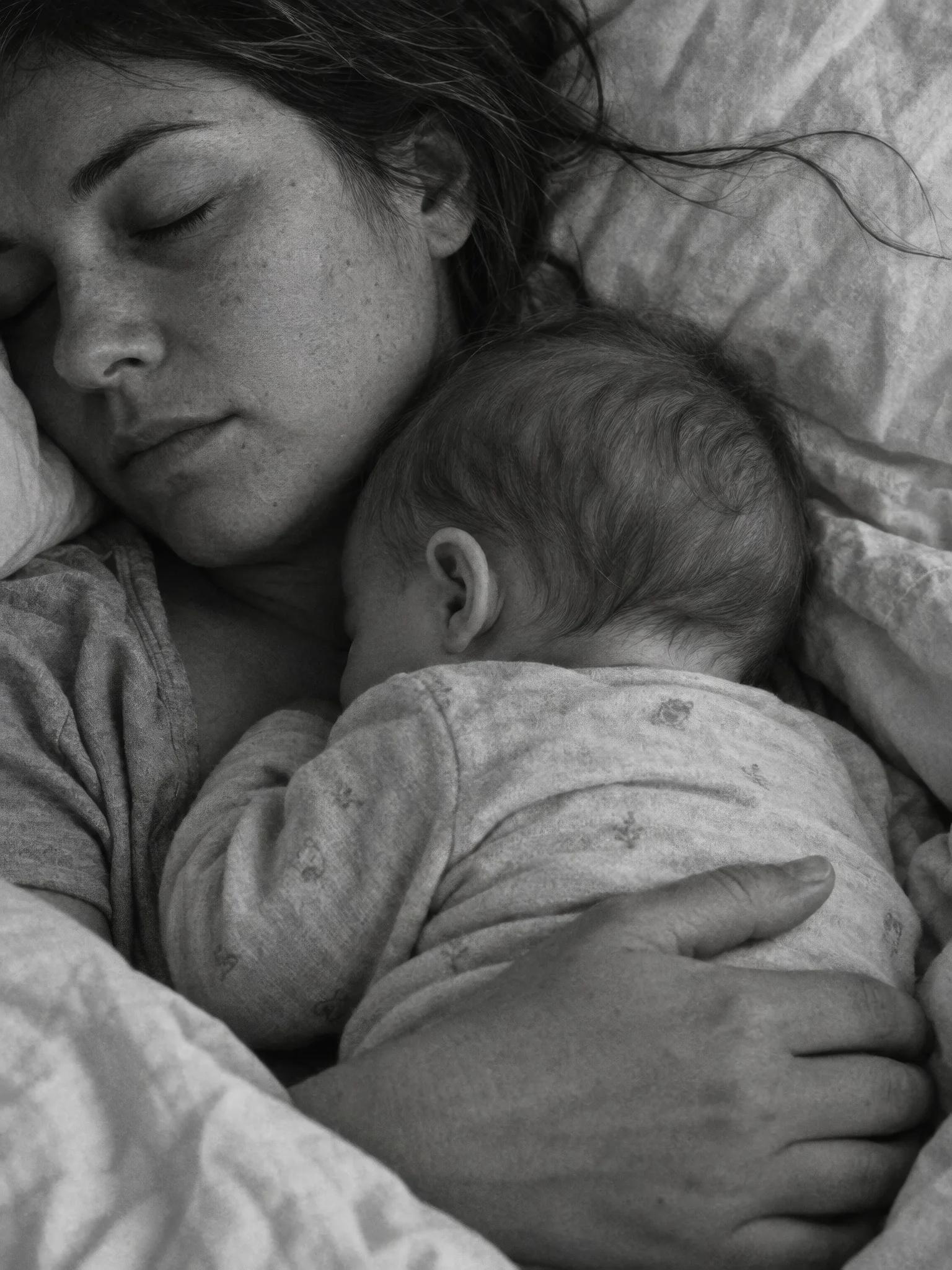
During the first years of life, every time a baby cries, seeks contact, smiles, clings or calls for the presence of the person who cares for them, they’re activating their attachment system.
How does our attachment style form?
For a child to develop secure attachment, it isn’t enough for their caregiver to be physically present. They also need to feel protected, comforted and understood when something frightens or overwhelms them.
This doesn’t mean responding perfectly to all their needs. No father or mother can do that. What matters is that there’s enough emotional availability: an adult who, most of the time, can help the child regain their calm when they lose it.
Through hundreds of small everyday experiences, the child gradually builds an idea of how relationships work. They learn whether they can trust others, whether their needs will be heard or whether they’ll have to face them alone.
That learning eventually becomes what we know as attachment style.
Attachment doesn’t disappear when we grow up
Although attachment begins to develop in childhood, the way we learnt to seek security usually stays with us into adult life as well.
It can influence how we experience a couple relationship, how we deal with conflict, how we express our emotions, how we set limits, or how easily we ask for help when we need it.
This doesn’t mean our childhood completely determines who we are. Throughout life we have new relationships and experiences that can also transform the way we bond.
Getting to know our attachment isn’t about finding someone to blame, but about understanding where some of the patterns that still appear in our relationships today come from.
What attachment styles are there?
Not all of us learn to relate in the same way.
In psychology we talk about four attachment styles:
Each one represents a different way of seeking security in relationships. None of them appears by chance: they are all adaptive strategies that made sense at a particular moment in our story.
In the coming articles we’ll explore each of them in more depth to understand how they show up in adult life.
Why is it worth getting to know your attachment style?
Getting to know your attachment style isn’t about giving yourself a label.
It’s about understanding why some relationships make you feel calm and others stir up great fear. Why you may need a lot of closeness, find it hard to trust, avoid showing vulnerability or feel deep anguish when someone important moves away.
In therapy we often explore what those first bonds were like and how they still influence the way you relate today. Not to change the past, but to understand the present and begin building more secure relationships.
Some good news
Perhaps while reading this article you thought of your partner. Or perhaps you thought of yourself.
Either way, remember something important: attachment isn’t about broken or defective people. It’s about people who learnt to protect themselves in the best way they knew at that moment in their lives.
And, fortunately, what we learnt can also be transformed.
In the next article you’ll discover what secure attachment is and how it can influence the way we relate to others.