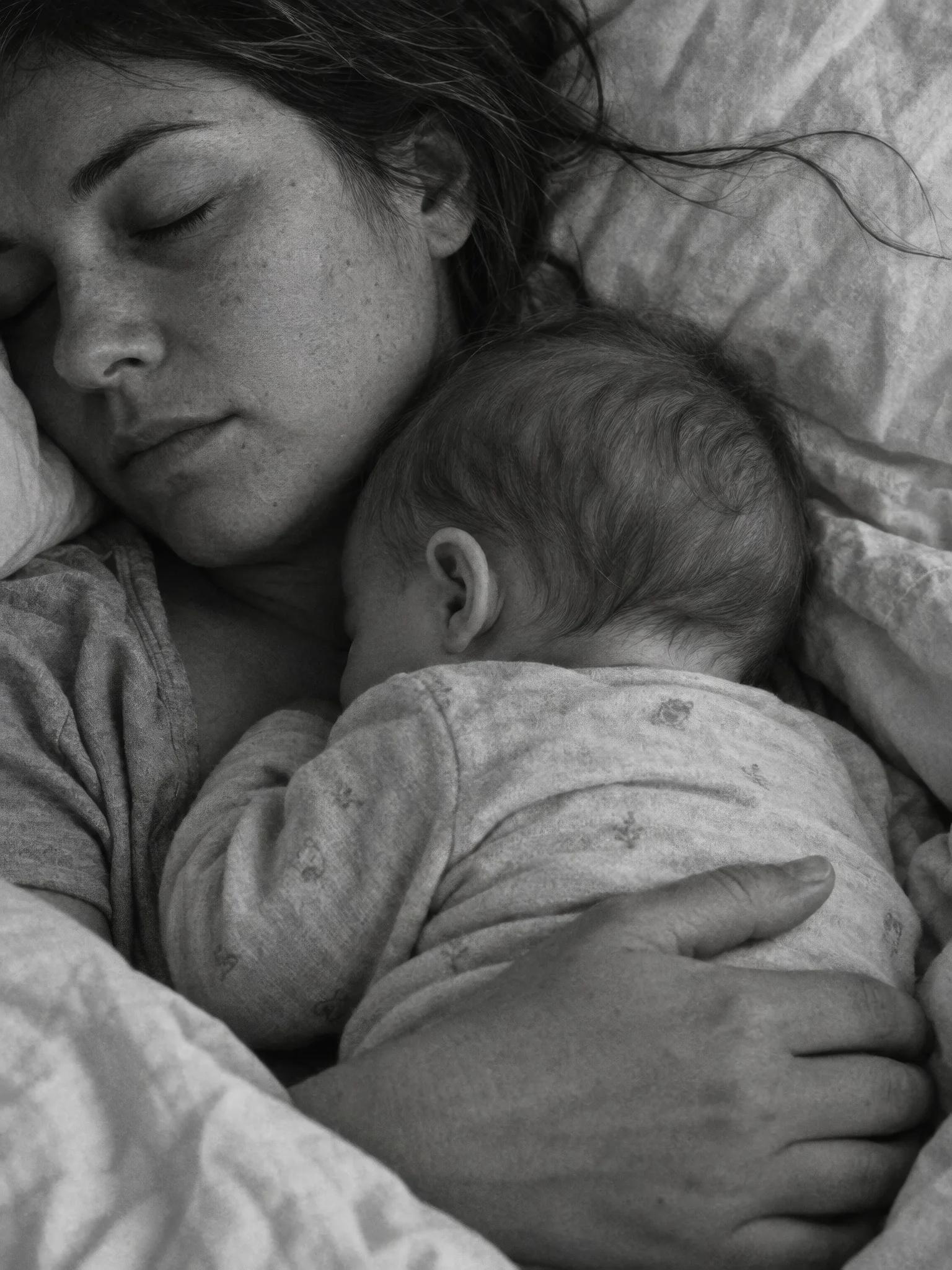
In the previous article we looked at what attachment is and how it shapes the way we relate to others. We also discovered that there are different attachment styles. In this article we’ll focus on secure attachment, the style that supports more stable, fulfilling and healthy relationships.
Various studies show that people with secure attachment tend to experience greater satisfaction in their relationships, better emotional regulation and a greater ability to face conflict without the bond feeling threatened.
But what does it really mean to have secure attachment?
How does secure attachment develop?
Secure attachment begins to take shape during the first years of life.
For a child to develop secure attachment, it isn’t enough for their caregiver to be physically present; they also need to feel protected, comforted and understood when something frightens or overwhelms them.
This doesn’t mean parents must always respond perfectly. We all make mistakes. What matters is that there is enough emotional availability: an adult who, most of the time, can help the child calm down again and show them that their needs matter.
Through these repeated experiences, the child gradually learns that the world is a relatively safe place and that they can trust the people who love them.
What is a child with secure attachment like?
In childhood, we see secure attachment when a child seeks comfort from their caregiver after a difficult moment and manages to calm down with their help.
Once comforted, they go back to playing, exploring and discovering the world as usual. The security they find in their attachment figure allows them to move away from it to explore, knowing they can come back whenever they need to.
During separations, such as starting school or staying with another relative, it’s normal for sadness or distress to appear. However, when they are reunited with their caregiver, they calm down again fairly easily and seek contact once more.
This isn’t a child who never cries or is never afraid. It’s a child who has learnt that they don’t have to face those emotions alone.
What is a person with secure attachment like?
Although attachment begins to form in childhood, it continues to influence the way we relate to others throughout adult life.
People with secure attachment tend to feel comfortable showing who they are, building intimate relationships and trusting the important people in their lives.
They generally show characteristics such as these:
- They feel secure within their relationships.
- They trust that the important people in their lives will be there when they need them.
- They find it easier to express what they feel and to ask for help.
- They seek emotional closeness without fear of depending on the other person.
- They care about the wellbeing of the people they love.
- They can keep their autonomy without drawing away emotionally.
This doesn’t mean they never feel insecurity, sadness or fear. They also go through arguments, break-ups and difficult moments. The difference is that they usually have more resources to regulate their emotions and repair the bond when conflicts arise.
Do people with secure attachment never go to therapy?
There’s an idea that a person with secure attachment doesn’t need therapy, but this isn’t true.
A loss, an illness, a separation or any life event can leave anyone in need of psychological support.
Secure attachment doesn’t protect us from suffering. What it offers is a more solid base from which to face difficulties and lean on others when needed.
Secure attachment can also be built
If, reading this article, you feel you don’t recognise yourself in these characteristics, it doesn’t mean there’s anything wrong with you.
Our attachment style is the result of the experiences we’ve lived through, especially in childhood, but it isn’t a label that stays with us forever.
The secure relationships we build throughout life and a therapeutic process can help us develop new ways of bonding that are more flexible and more secure.
Because the aim isn’t to become a perfect person, but to learn to relate from a place where there is more trust, more calm and more freedom.
In the next article we’ll talk about anxious attachment and understand why some people experience relationships with an intense fear of abandonment.