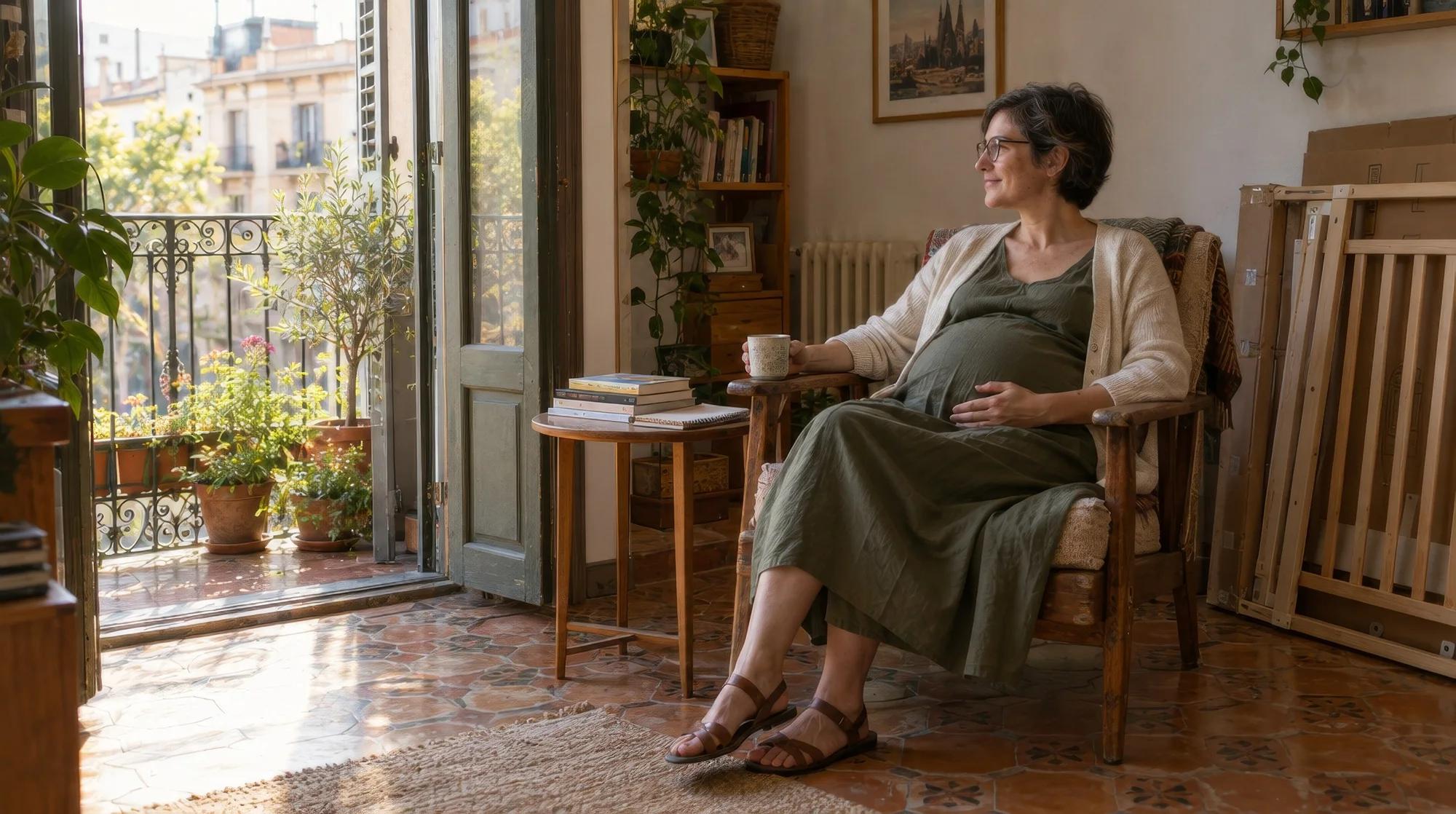
Dissident motherhoods: when the way you care has no name
Non-birthing mother, single by choice, in a blended family or with no name for it at all: what it often feels like, why it can be so hard and what helps you find your place.


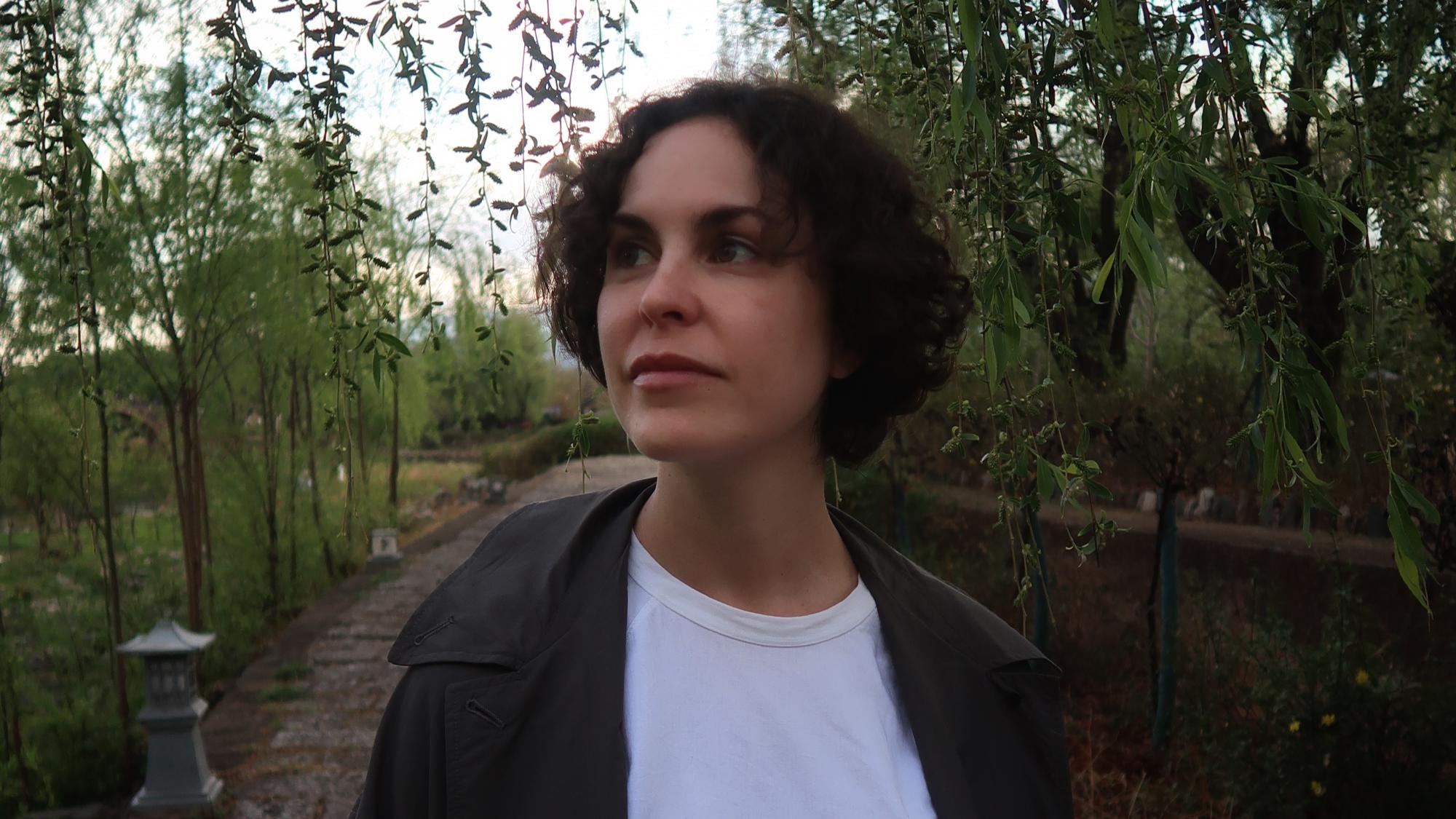
I’m Ivet Vidal, psychologist and founder of Me Siento Contigo. A few years ago I became part of a family that didn’t follow the usual script, and I lived a motherhood without a name first-hand. I wrote about it in Inhabiting a place without a name. The truth is, I looked for role models, groups and books, and I couldn’t find anyone describing anything like what I was feeling. Much of what I do today comes from there: supporting others the way I would have liked to be supported.
What is a dissident motherhood?
We speak of dissident motherhood when the way of being a mother falls outside the norm: there is no pregnancy, or no partner, or more than two caregivers, or the bond arrives halfway through. For example:
- Someone who joins a family where there are already daughters or sons and gets involved in raising them.
- Someone who decides to become a mother on her own.
- Someone who carried her baby thanks to egg donation.
- The non-birthing mother in a couple of two women.
- Someone who adopts or fosters.
- Someone who raises children as a tribe, with grandmothers, aunts or friends who also care for them.
What they share is not the form but a feeling: caring from a place that the people around you don’t know how to name.
What it often feels like
Being in no-man’s-land. You’re not the biological mother, «stepmother» sounds like a fairy tale and «dad’s partner» falls short. Without a word for it, it’s hard to know what place you hold, and to explain it to others.
An insecurity that grows with the bond. It seems contradictory, but the more you love that child, the more you fear getting it wrong, taking a place that isn’t yours or not being good enough.
Invisibility. You care, you show up and you lose sleep, and still your role doesn’t appear at school, at the doctor’s or at family meals. What isn’t named is hard to recognise.
Loneliness. Parenting support groups talk about a different reality, and you can’t find stories that resemble yours.
Adapting to a story that began before you. You arrive in a family with its own rituals, its habits and, sometimes, its grief. Finding your place without erasing what was there takes time.
If you recognise yourself in any of these feelings, it doesn’t mean you’re doing it wrong. It’s what usually happens when you live something there is no map for yet.
Why it’s so hard: a systemic perspective
Families organise themselves around roles: who cares, who decides, who was there first. When those roles have a name («mother», «father», «grandmother»), the whole system knows what to do and what to expect. When they don’t, everyone improvises and does what they can, and doubts, crossed loyalties and misunderstandings appear that are hard to make sense of.
Add to that the idea of a mother we inherit from our family of origin and from society. If your motherhood doesn’t look like that model, it’s easy to feel lost or invisible.
There is no one to blame in any of this. It’s a challenge for the whole family, and that’s why it helps to look at it together.
Some things that help
Putting it into words. You don’t need an official label: one of your own will do. It’s the same with grandparents: some families have three, and each one has their own name: «abuelo», «avi» and «grandpa». Talking as a family about what you call each other, what each person does and what they expect from the others brings a lot of order.
Respecting the pace of the bond. The bond with children is built in everyday life: routines, play, being there. There’s no need to force it or prove anything.
Making room for what came before. Honouring the earlier story, including any losses, doesn’t take your place away: it gives you one.
Looking for role models. Reading, listening to or talking with people who live something similar eases the feeling of being the only one. With that in mind we did a live session with Elisenda Pascual, from Acompanyament Familiar, about motherhoods that have no name. You can watch it here →
Asking for support. A therapeutic space helps you understand what is stirring in you and in the rest of the family.
If this resonated with you
At Me Siento Contigo we have Me Siento Mamá, a space to support diverse motherhoods: single, blended, non-birthing or nameless. We don’t only look at what is happening to you, but also at your family and its story, because that is often where the key to finding your place lies.
If you’d like, you can start with a free 20-minute call. You tell us about your situation, we answer your questions and together we see which kind of support might suit you best.
Your way of mothering having no name doesn’t make it any less real. What you build every day, in small gestures, is already a place. And it’s yours.