Deciding to become a mother on your own: not a heroine, not mad, not selfish
Thinking of becoming a mother on your own? The fears, the prior grief and the support network that make the decision more yours and less lonely.

Deciding to become a mother on your own: not a heroine, not mad, not selfish.
When motherhood doesn’t follow the classic script: an honest look at single motherhood through desire, preparation and a support network.
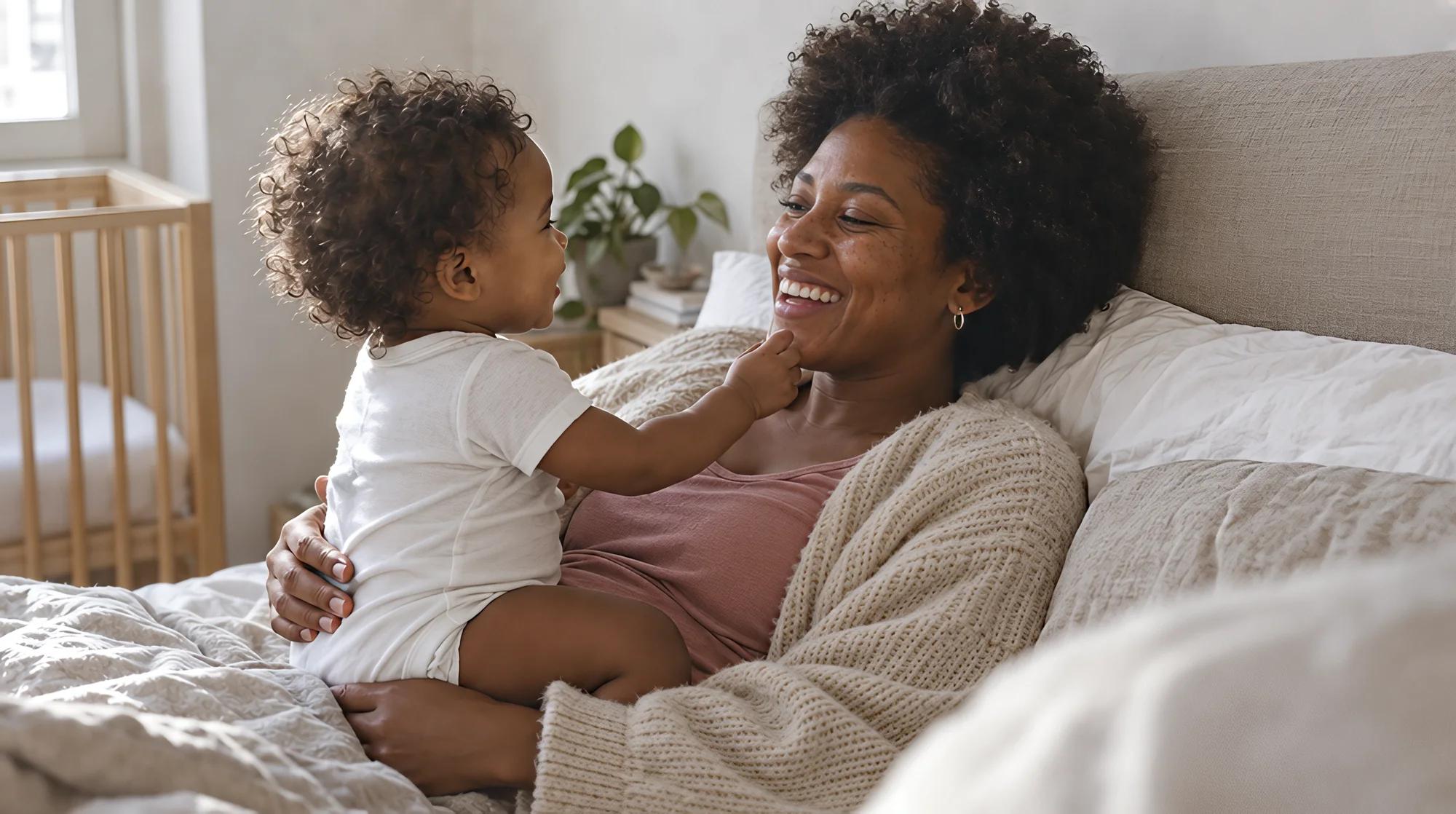
When a woman says she wants to become a mother on her own, she often hears “you’re so brave” in response. As if what came next were bound to be terrible. No woman in a couple is told that, and she will go through difficult moments too. In therapy, many single mothers share that they don’t identify with words like brave or strong. Not because they aren’t, but because they didn’t feel that way. The desire was there, but the path wasn’t the one they had expected; they found a plan B that made it possible. They didn’t decide out of some heroic impulse, but out of a deep desire to mother, even if the circumstances weren’t the ones they had dreamt of.
Some women explain, in fact, that they didn’t feel brave when they made the decision, but rather vulnerable. You can deeply want a child and, at the same time, feel fear and fragility. Being a mother on your own means holding a lot, and strength isn’t only about pushing on and facing everything; it also lies in allowing yourself to feel vulnerable, and to recognise yourself as such. Allowing yourself that is another kind of strength, one that is rarely recognised.
Mothering without a partner doesn’t mean mothering alone
When there is no partner – nor a clear family network – many of the roles culturally assigned to two people fall on one. Logistics, money, sleepless nights, day-to-day decisions… And that can be frightening. But many women have discovered another way of holding it all: building a network, asking for help, sharing the load (and the love!).
How do you raise a child when you can’t share the load with a partner? Some explain that they have set up WhatsApp groups where the people closest to them can offer to help, that they have built ties with their neighbours, and that their situation has helped them pull together. A brother who goes with you to the doctor, a babysitter who helps you and keeps you company, another pregnant mother to share the journey with. When we stop thinking that one person (the partner) has to take on everything, the possibility opens up of a more community-based, more collective, richer way of parenting.
There are also women who, after years of living very autonomously and independently, feel that this way of mothering fits with their life path. And that makes them feel more prepared. But raising a child is not quite like managing your own adult life: the child will indeed need different key figures. Mothering from a logic of self-sufficiency may seem empowering at first, but if you then feel overwhelmed, guilt may appear – towards yourself or towards others. That’s why preparing isn’t only about taking on the challenge, but also about recognising that you will need help. And doing the inner work that lets you be willing to ask for it and accept it without guilt.
Making decisions alone: freedom and limits
One of the most distinctive aspects of single motherhood is making decisions on your own. For some women, this is a huge relief: not having to negotiate with anyone, being able to follow their own judgement and having complete freedom to decide what is best for the child. Especially for people who tend to want to be in control, it can feel like a gift: the peace of knowing there is no need to argue over every step.
But that same freedom also carries risks. Not having other perspectives to check decisions against can raise doubts or mean that some things go unnoticed. That’s why having a trusted network – friends, therapists, professionals, other families – can help you keep perspective and not go through everything alone.
In addition, in some cases another difficulty may arise: a close relative (often the mother or father of the woman mothering alone) takes up too central a place, almost as if they were a partner. From a systemic perspective, this upsets the natural hierarchy and can lead to confusion and dysfunction within the family unit. Setting clear boundaries and putting each person in their place is key to protecting the family and emotional balance.
The weight of others: opinions, filters and judgements
Context also affects how this decision is understood or judged. Some women tell me in sessions that, at 40, nobody questions their choice. But at 30, they get warnings: “wait a bit longer”, “it’s not the right time”, “are you sure you can do it alone?”. These phrases say nothing about the person deciding to become a mother on her own. They speak about the person saying them. About the lens through which they see the world, their way of life, their fears.
When people announce they are having a child with a partner, nobody asks whether that partner will be stable, have the means or be up to the task. What makes them think that having a child with that person will be easier, or better for the child, if they don’t know? But if there is no partner, suddenly everything is called into question. As if love and care were only valid within a traditional model. And that, too, needs rethinking.
What if my child misses having a father?
This is one of the doubts that come up for many women considering single motherhood. And it is a legitimate one. Perhaps they will. Perhaps, at some point, your child will wonder why there isn’t a father figure as in other families. But that doesn’t mean something is missing. There are all kinds of fathers: good, bad and so-so. And your child doesn’t know that. They see other families and may idealise it. If your child notices that you are not coping well with not having a partner, or with them not having a father, it is likely to bother or hurt them.
Another question that weighs heavily may also come up: “Am I selfish for wanting to have a child on my own?” But having a child is never a neutral decision. It always involves desires, expectations, uncertainties. And wanting to mother from desire, from preparation and from love is not selfish. It is honest. And it is a solid foundation for caring and loving. Nobody asks heterosexual couples why they want to have children; it isn’t questioned, and their intentions may come with less care and love than those of a single-mother family.
As a society, we face the challenge of broadening our view and no longer thinking there is only one “right” way to form a family. Family diversity has to start being normalised at home. When the single-mother family model is lived with naturalness, love and coherence, children grow up understanding that there are many possible ways to love and to grow. And all of them can be healthy, complete and fulfilling.
Preparing for a different kind of motherhood
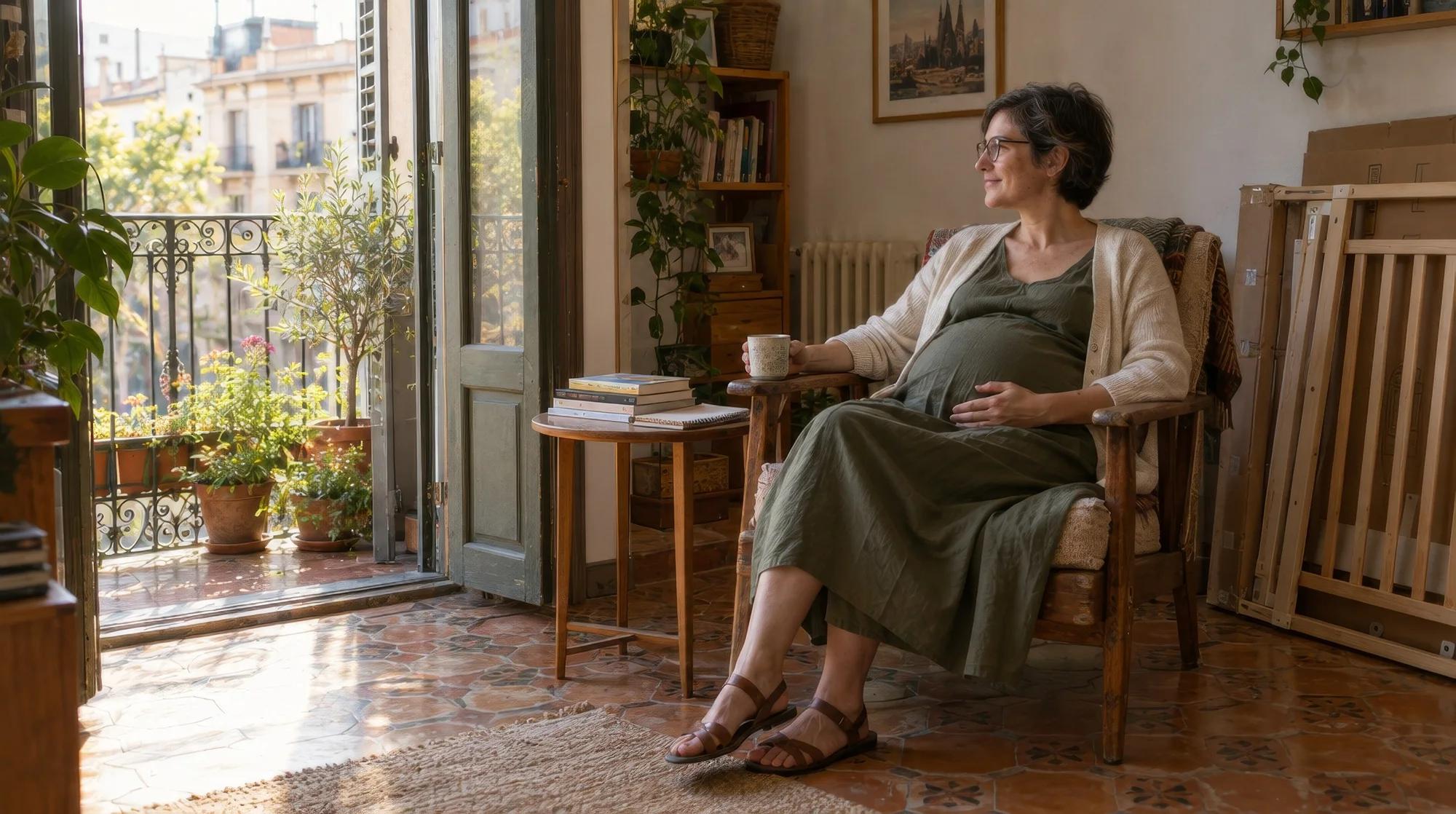
Before deciding to become a mother on their own, many women go through a deep inner process. An earlier grief, often a silent one: letting go of the idea of the family they had imagined. Making room to accept that moments like giving birth with a partner, sharing the first steps, putting the baby to bed and sitting down together will not be as they had pictured them.
Grieving this before making the decision can help you prepare better. It helps you become more aware of what won’t be lived as you had imagined and, at the same time, start building a new way of living it that you like and that makes you feel good. A way that is no less good, nor less full, just different. And when this process is done with awareness, motherhood can begin with more calm, more security and more firmly rooted in your own desire.