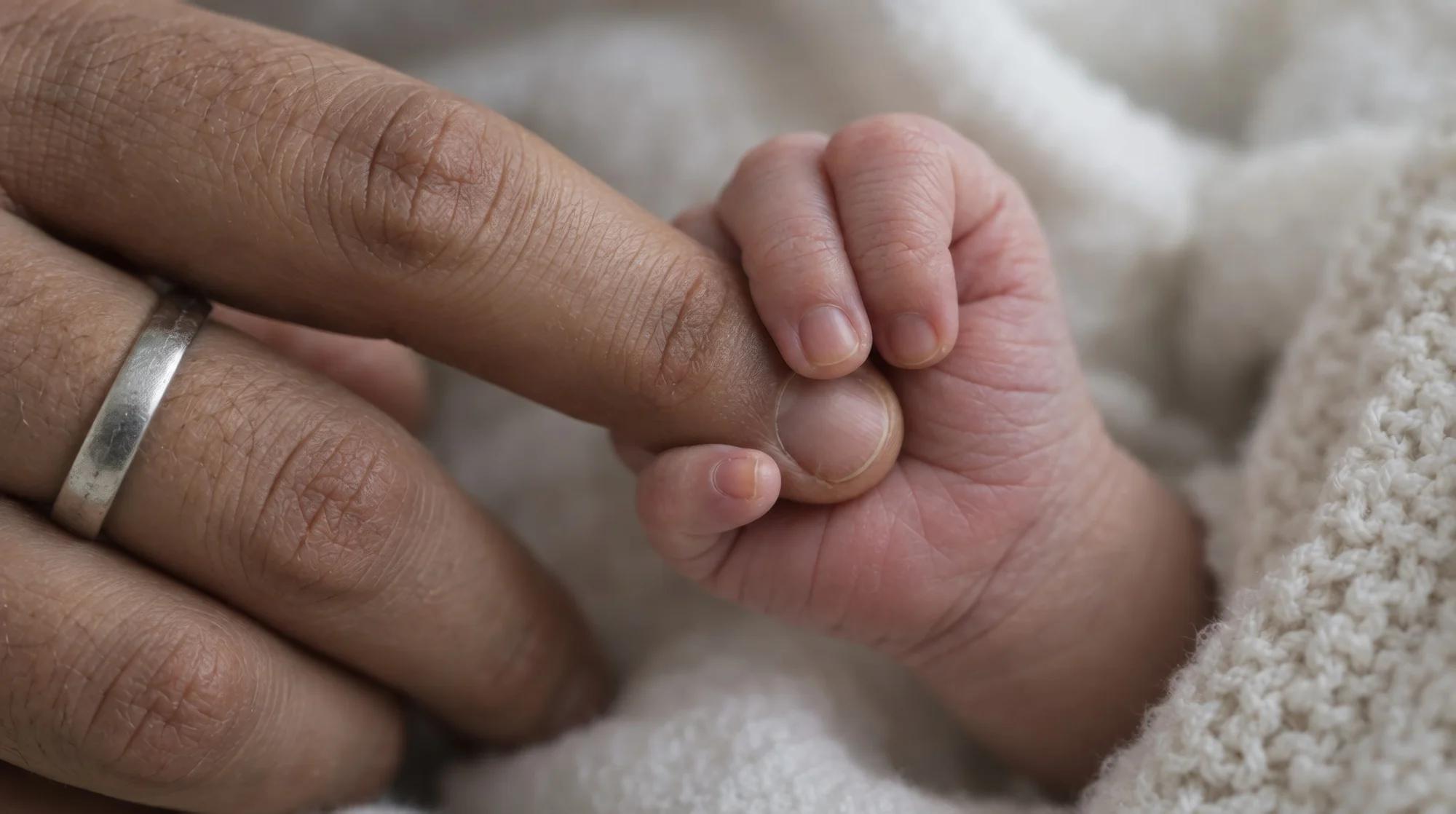
Today, families have access to free psychological support before, during and after adoption, provided by the agencies that manage the process. However, this is sometimes not enough for families who, as they raise their children, feel lost and disheartened by the many challenges they face after adoption. Therapeutic work with adoptive families is essential, because past and present are intertwined in the family story.
One of the main aims of therapy throughout parenting is to integrate the mother and father figures. Children placed for adoption face a double pull that keeps drawing them towards one side or the other. It’s as if the birth family were pulling on one side of the door and the adoptive family on the other. On one side, nostalgia for the past; on the other, the hope and desire to change the future. These two forces are always active within them. Adopted children may sometimes experience conflicts of loyalty, which makes it hard for them to express their feelings and their curiosity about their birth family. For the child, not showing their pain is a way of not betraying or disappointing their parents and of being grateful to them for giving them a new life. It is essential to offer a space for listening and understanding, free of taboos and judgement, in which to talk about the family of origin and make room to speak about that mother or father, real or imagined, about the fantasy they have built around them, about their life, their difficulties, the circumstances in which they placed the child for adoption, and so on.
The story the adoptive family holds about why the child was placed for adoption is crucial to their development. The idea that a child was handed over in order to entrust them to better caregivers does not have the same impact as the idea of having been abandoned. There are genuine tragedies behind many adoptions, but it is healing for them to explore their story and to help the narrative behind their relinquishment move towards preserving the bond. Psychotherapy is an experience that can help build a new story and give new meaning to these events in life.
Adolescence in particular can bring many identity conflicts for adopted children. This is when identity is built, and origins carry weight in how they define their own sense of worth. Who am I, and what does my story say about me? It’s important to connect any distress or symptoms they may have with the story of their origins. Understanding the way they bond with the family, and the family with them.
What do children do when they’re angry, disappointed or sad? How do their caregivers receive these conflicts? Many adopted children experience conflict as a possible break in the bond. In this traumatic re-enactment, their body goes on alert and reacts in ways that can be aggressive, harmful or dangerous. Emotionally stable figures can allow the child to enjoy a healthy, stable experience of attachment that will be deeply reparative for their life.
I’ll end this article with this beautiful metaphor by Dr José Checa, who speaks of adoption as a child “handed over like a treasure, as when a boat is about to sink at sea and you hand over to another boat the most precious thing you have”. Adoption brings many challenges, but it opens the window to building, as a family, a secure, unique and very special bond.